When a California Seller Learns Something New After Delivering the TDS
Providing a Transfer Disclosure Statement, often called a TDS, is an important part of selling many residential properties in California. But disclosure responsibilities do not necessarily end the day the form is delivered. A practical issue can arise when a seller learns new information, notices an error, or discovers that an answer on the original TDS is no longer accurate before closing.
California Civil Code section 1102.9 addresses this situation. In plain English, if information in a disclosure becomes inaccurate after it has been delivered, the seller must promptly provide a written amendment disclosing the change. For sellers, buyers, agents, and transaction coordinators, the key word is promptly. Waiting until the final walkthrough, signing appointment, or closing date can create unnecessary stress and risk.
Examples of Information That May Need an Update
Not every minor change to a property requires a new disclosure. However, sellers should take a careful look at any new fact that could matter to a reasonable buyer. The question is not simply whether the seller caused the issue. The more important question is whether the seller now has information that makes a prior disclosure incomplete or inaccurate.
Common examples may include:
- A roof leak appears after a significant storm.
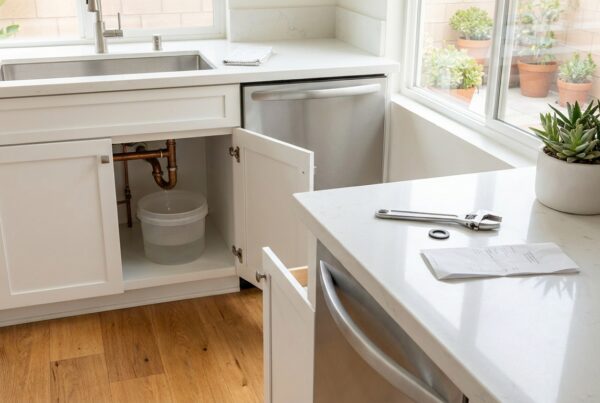
- A plumbing line backs up, leaks, or requires repair after the original TDS was delivered.
- A seller receives a notice about a boundary, easement, code enforcement, or neighborhood issue.
- A previously unknown pest problem, water intrusion issue, mold concern, or foundation concern is identified.
- A major appliance or included system stops working before closing.
- The seller learns that a prior answer on the TDS was mistaken or incomplete.
- An HOA sends a new notice of a special assessment, significant repair project, rule enforcement matter, or other issue affecting the property.
- A repair is completed, but the repair work reveals a broader issue that was not previously known.
For example, a seller may have truthfully stated that there were no known roof leaks when completing the TDS. If a later rainstorm reveals water entering the home, the original statement may no longer accurately reflect the seller’s knowledge. Even if the seller immediately arranges a repair, the new event and the repair may be information the buyer needs to evaluate.
Why Written Updates Matter
Real estate transactions involve many moving parts: inspections, repair requests, lender conditions, escrow deadlines, HOA documents, insurance questions, and final walkthroughs. A casual phone call or verbal mention can be misunderstood, forgotten, or difficult to document later.
A written amendment helps create a clear record of what changed, when the seller learned about it, and what information was provided to the buyer. It also gives the buyer an opportunity to ask questions, review invoices or reports, inspect the affected area, or discuss next steps through the parties’ real estate professionals.
An update does not necessarily mean the transaction will fail. In many cases, the issue is manageable. A seller may repair the condition, provide documentation, offer a credit if appropriate, or allow the buyer to conduct further investigation. The best outcome often depends on early communication rather than surprise.
Practical Steps for Sellers
Tell Your Agent Quickly
Contact your listing agent as soon as you learn of a possible change. Do not assume an issue is too small to mention. Your agent can help identify the appropriate transaction paperwork and coordinate communication with the buyer’s side.
Document the Timeline
Keep records showing when you first learned about the issue, what you observed, and what actions you took. Save photos, contractor invoices, inspection reports, repair proposals, HOA notices, warranty information, and emails. These materials may help explain the situation accurately.
Avoid Guessing
Sellers should disclose facts they know, but they should not speculate about causes, costs, or conditions outside their knowledge. For instance, it is better to state that water was observed in a particular area and that a plumber was called than to declare the exact source without professional support.
Share Repair Documentation
If work is performed before closing, provide available records through the proper transaction channels. A buyer may want to know who performed the work, what was repaired, whether permits were involved, and whether any warranty applies.
Do Not Wait for the Final Walkthrough
Buyers often notice changes during their final walkthrough. If the seller already knows of a changed condition, proactively delivering a written update is generally better than leaving the buyer to discover it at the last minute.
What Buyers Should Do When They Receive an Amendment
Buyers should read any updated disclosure carefully and compare it with the original TDS, inspection reports, repair negotiations, and other property documents. If an update raises questions, buyers may wish to ask for supporting records or arrange a follow-up inspection with an appropriately qualified professional.
Buyers should also pay attention to whether the update involves the home itself, an included item, an HOA obligation, or an external matter affecting use or cost. A new HOA assessment notice, for example, may be different from a repair issue inside the home, but both can affect a buyer’s decision-making and budget.
Good Disclosure Practices Help Transactions Stay on Track
Accurate disclosures support informed decisions and reduce last-minute conflict. Sellers do not need to be construction experts, but they should be candid about new information they receive. Buyers should review updates promptly and ask questions while there is still time to investigate. Agents and escrow professionals can help keep documents organized and communication moving.
For California homeowners preparing to sell, a simple rule is useful: if newly learned information changes what you previously disclosed, raise it quickly and address it in writing through the transaction process.
This post is general information, not legal advice. Readers should consult a California attorney for guidance about their specific situation.
Need help with a California home sale, HOA management, rental property management, or property and casualty insurance? Contact David and Company at 888-388-2864 to learn how our team can help.